

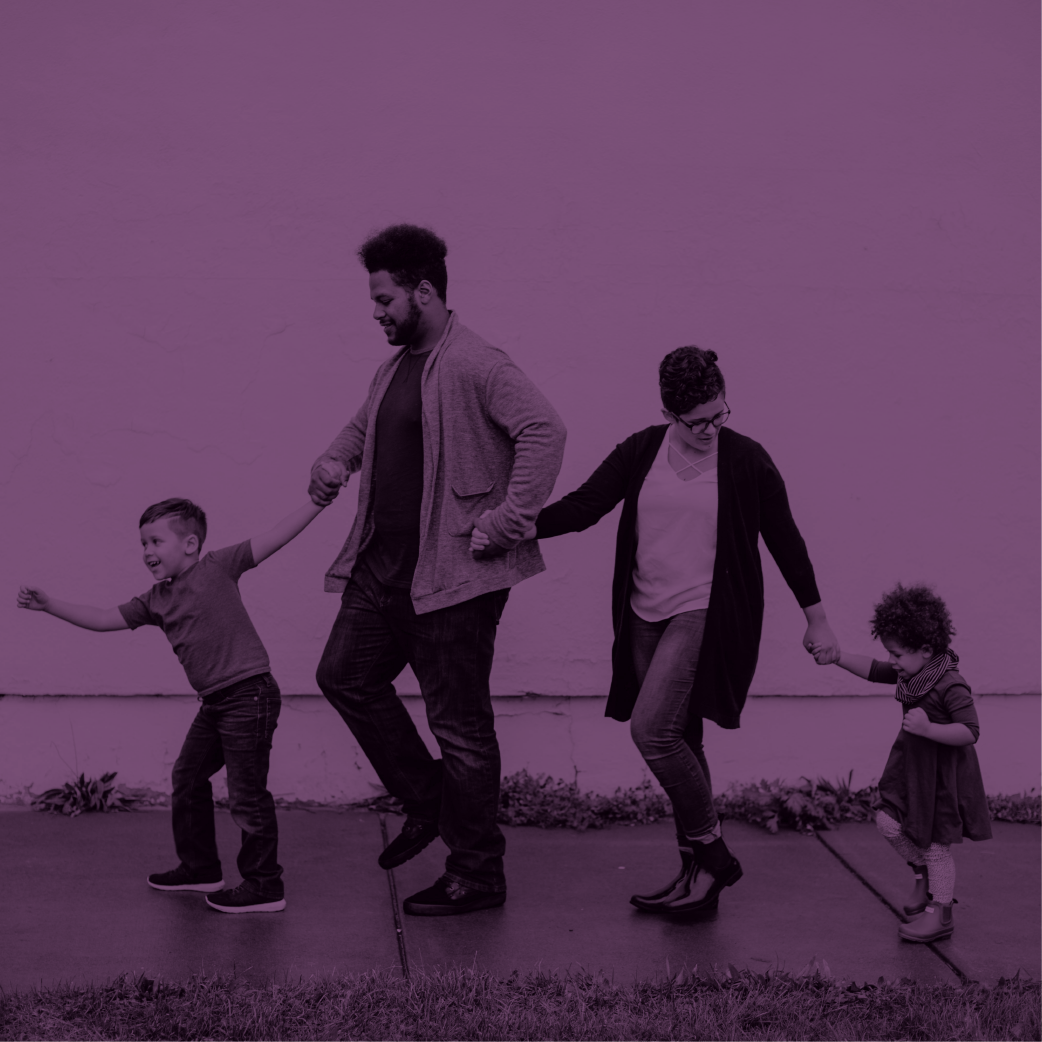


September is a time to recognize and celebrate relatives and individuals who step into the role of caregiver for youth they know and love. These caregivers play a vital position in keeping youth connected to their families, communities, and cultures while providing a safe and familiar place to call home.
What is Kinship Care?
Kinship care encompasses relatives and people close to the family, including grandparents, aunts, uncles, cousins, adult siblings and family friends who step in to care for a child. In Washington state, more than half of the children and youth experiencing foster care are cared for by a kinship caregiver according to Washington State Department of Children, Youth and Families (DCYF).
Why is Kinship Care Important?
Kinship care helps youth who cannot safely remain at home maintain connections to their family, community, culture, and traditions while minimizing the disruption that can come with unfamiliar faces and out-of-home care. Youth in kinship care often experience greater placement stability while staying connected to their family members, culture, and traditions.
Washington state has strengthened its focus on kinship placements through Washington State’s Keeping Families Together Act (E2SHB 1227) which took effect July 1, 2023. As a result, caseworkers now prioritize navigating relative and suitable-other placements when youth cannot safely remain with their parents before placing these youth in a licensed foster home. (Learn more about HB 1227 from DCYF.)
Washington continues to remove barriers for relatives who step forward to provide care for a youth in their direct community. In July 2025, DCYF introduced new kinship licensing standards designed to streamline the licensing process, including reducing the amount of paperwork required and creating a tailored home-study process specific to kinship caregivers. (Learn more about kinship licensing standards.)
There is a pretty good chance that you, dear reader, are a kinship caregiver yourself! Youthnet is currently serving more than 80 youth placed with kinship caregivers across Western Washington. In honor of National Kinship Care Month, we extend our deepest gratitude to our kinship caregivers who open their doors to provide youth they love with a safe place to call home. We are inspired by your commitment to strengthening your families and showing up during the hardest moments.
We know there will always be challenges in your caregiving journey, which is why we stand alongside you every step of the way. Youthnet has a no-fee policy to ensure equitable access to our services for all caregivers and children. (Learn more about becoming a licensed Kinship Caregiver with Youthnet.)
Youthnet provides Caregiver Support to licensed and unlicensed caregivers, including kinship, in the following Western Washington counties:
- Snohomish
- Grays Harbor
- Lewis
- Mason
- Pacific
- Thurston
- Skagit
- Whatcom
- San Juan
- Island
- Clallam
- Jefferson
- Kitsap
Already a kinship caregiver in one of the counties listed above? Our Caregiver Support team at Youthnet is here to assist you. Email us any time at caregiversupport@youthnetnw.net to get started. If you’re not a caregiver in one of the counties listed above, you can still reach out to the email address above and we will connect you with a partner organization in your area.
Sources & Resources
- Washington State Department of Children, Youth, and Families: About Kinship Caregiving.
- Washington State Department of Children, Youth, and Families: HB 1227 – Keeping Families Together Act
- Washington State Department of Children, Youth, and Families: WA State Makes it Easier for Relatives to Become Licensed Caregivers.
-
Washington State Legislator: Keeping Families Together Act – E2SHB 1227


Leave a comment
This site is protected by hCaptcha and the hCaptcha Privacy Policy and Terms of Service apply.